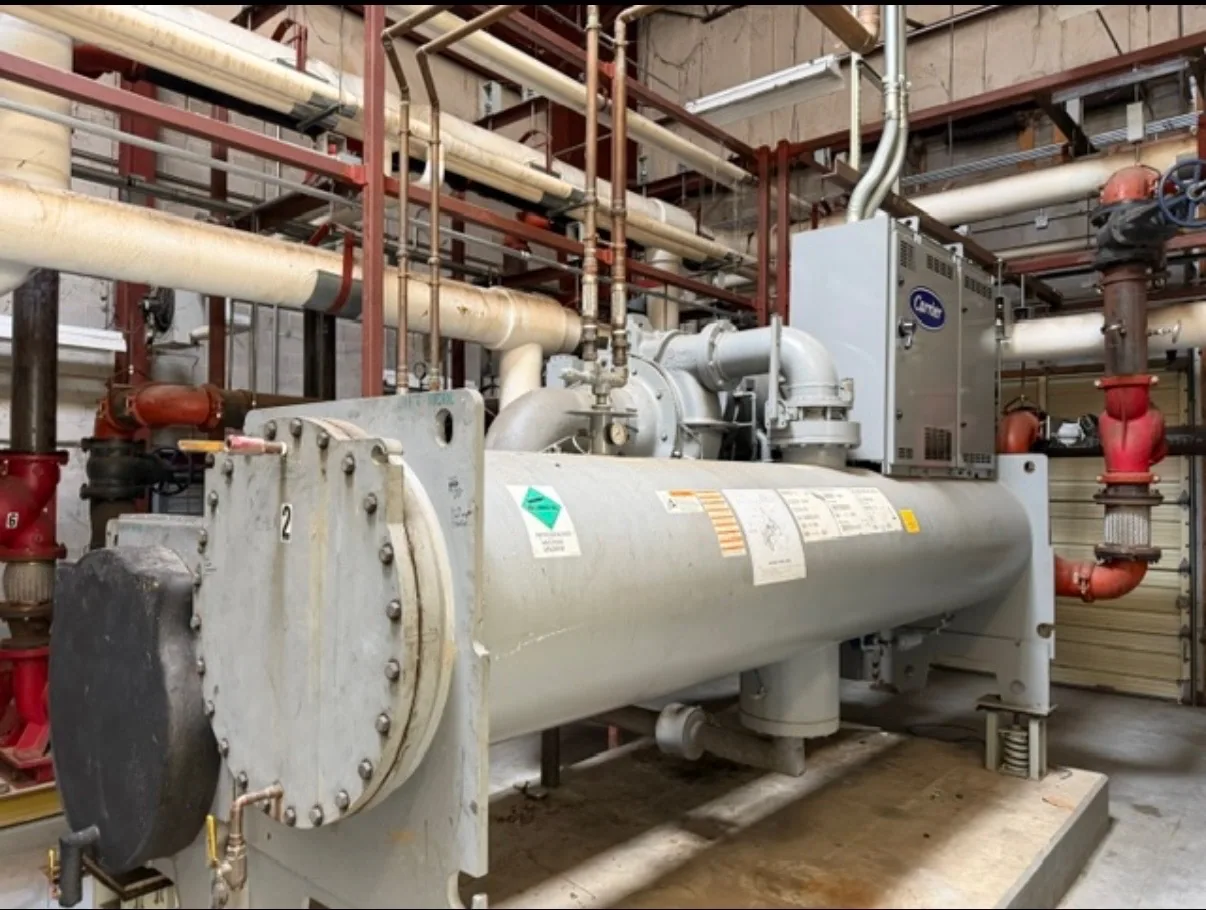
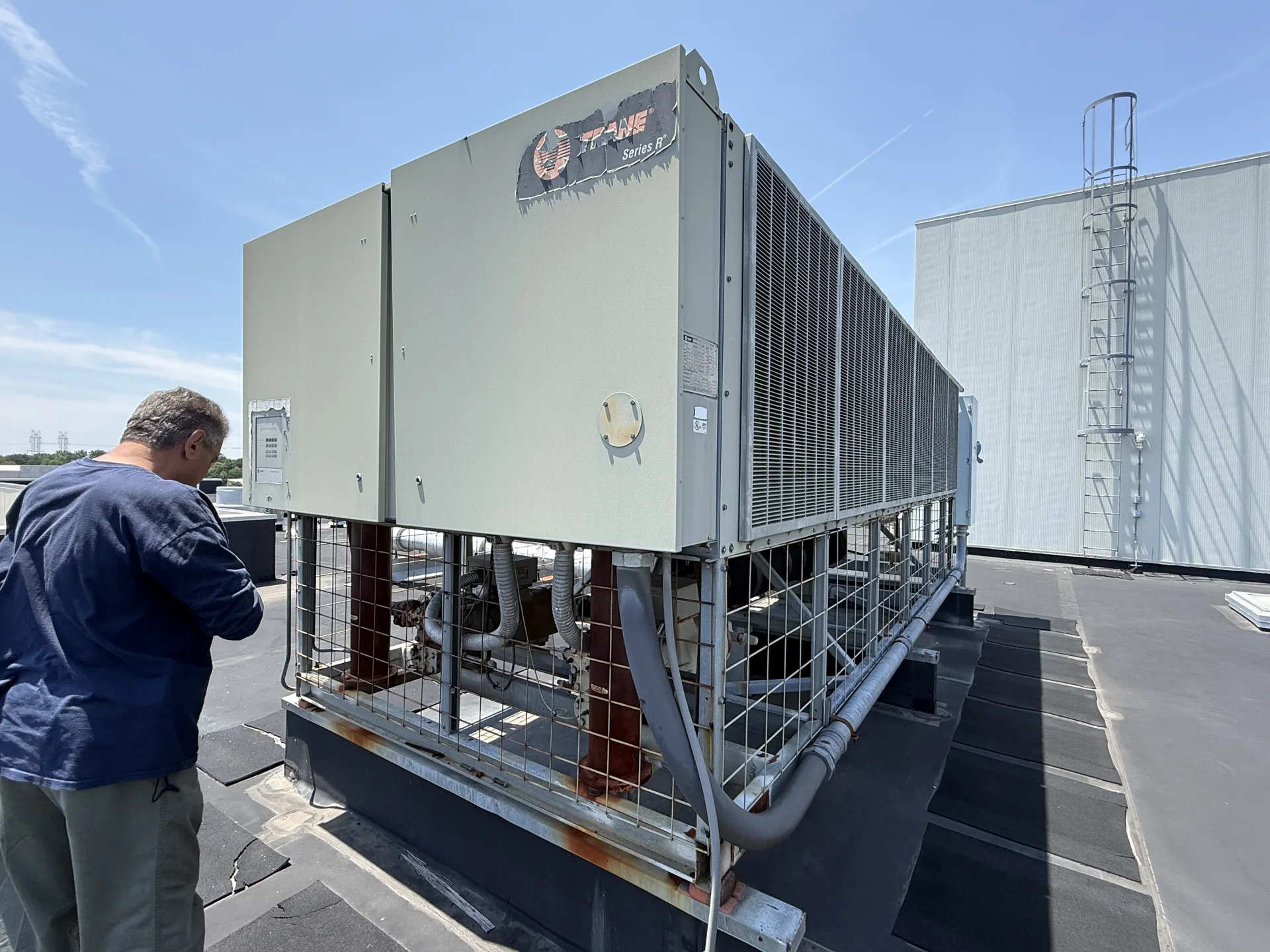
For cold storage facility chiller buyers, the practical question is how to sell the existing equipment while respecting the actual facility’s access and project constraints. A chiller buyer can review a machine that is surplus, retired or available during a replacement project. This is a purchase of existing equipment, not an offer to sell or install a replacement. A seller does not have to start or test a unit to ask for an offer.
Identify the particular machine being released, the person who can authorize its sale and the site contact who can describe access. Other systems may remain in use, so point out connections, equipment boundaries and scheduling dependencies that matter at your site. The buyer offers upfront payment and handles and pays for refrigerant recovery, disconnect, crane, rigging, loading and freight. The details of the offer depend on the equipment and the site.
Separate observations from assumptions
A seller can distinguish a known fact from an unverified assumption. For example, you may know when a machine was taken out of service without knowing its present operating condition. You may have an older equipment list but no current reading of the nameplate. Share those distinctions plainly. The buyer does not require the seller to start or test the machine and can discuss an offer using the available information.
Confirm who can authorize the sale
Ownership and authorization deserve attention alongside the equipment details. A property owner, tenant, facility operator or project representative may have different responsibilities. Explain the situation accurately and resolve any questions about ownership or permission with the appropriate parties. For equipment in a leased building, check the relevant arrangements. This is a practical planning point, not a substitute for advice about a particular agreement.
Keep the project team informed
A facility team may need to coordinate the sale with other project work. Identify the authorized seller, the person who can answer equipment questions, and the contact who knows the access route. Explain which details are confirmed and which are still being reviewed. It helps everyone distinguish the equipment sale from unrelated site work. The buyer will discuss the proposed purchase and removal scope for the actual situation.
Describe condition without running the unit
An honest condition summary is more useful than a performance claim. You might know that a chiller was shut down during a replacement project, that it has been idle, or that certain pieces were removed. Those are examples, not requirements. If you do not know why it stopped, say that plainly. The seller does not need to test, start, repair or demonstrate the chiller. The buyer can consider the information supplied and discuss an offer based on the actual circumstances.
Define what the sale includes
Clarify the proposed scope before comparing an offer. The sale may concern one complete machine, several units, or equipment with certain components already missing. Note nearby controls, piping or other items only to explain whether they are included or remain with the building. A picture with a short explanation can be enough to start. The final scope and conditions should be confirmed with the buyer for the particular project.
Account for people and systems that remain
If other parts of the site remain active, explain the relevant boundaries. Mention public areas, shared corridors, nearby equipment and any access restrictions that apply. A facility contact can identify site-specific rules and the people who need to approve the release of the equipment. Early communication helps keep assumptions about access out of the offer discussion. The seller does not need to test or dismantle the chiller before reaching out.
Understand the buyer-handled removal scope
The equipment purchase includes a discussion of how the machine will leave the site. This buyer handles and pays for refrigerant recovery, electrical disconnect, crane, rigging, loading and freight. Share details about the equipment location, access and any systems that remain so those tasks can be discussed for the particular site. No seller startup or testing is needed. Any site-specific schedule and transaction terms should be agreed before proceeding.
Flag connections to systems that remain
The boundaries between the chiller and the rest of the facility matter. Piping, electrical equipment, controls and adjacent machinery may be involved in a particular installation. A photograph or marked-up facility drawing can help explain which equipment is being sold and what must remain. Disconnect work is part of the buyer-handled removal scope. Do not attempt electrical or refrigerant work yourself to prepare the unit for sale.
Prepare for a clear handoff
A clear handoff identifies both the equipment and the site contact. Review the agreed access arrangements, schedule constraints and boundaries of the sale. If any equipment details change, tell the buyer before the planned work. A shared equipment list can help distinguish the unit being sold from adjacent machinery. The buyer handles and pays for the agreed recovery, disconnect, crane, rigging, loading and freight.
What information supports an offer?
A buyer needs context about both the machine and its removal. Share the manufacturer, model, capacity, condition and refrigerant type if known, along with photographs of the equipment and its access route. Mention whether other items are included and when the unit can be released. Estimates should be clearly labeled as estimates. The buyer can review the actual details and discuss a cash offer rather than treating every project as identical.
Request a chiller offer
To discuss your equipment, call (614) 715-3047 or email saleselectricalbuyers@gmail.com. Share whatever nameplate details, condition notes, location and access photographs are available. The buyer can review the information and discuss a cash offer with upfront payment and buyer-paid removal. You do not have to test or run the chiller before contacting the buyer.